Fingerspelling Vs. Name Signs: What Linguists and Deaf Culture Reveal
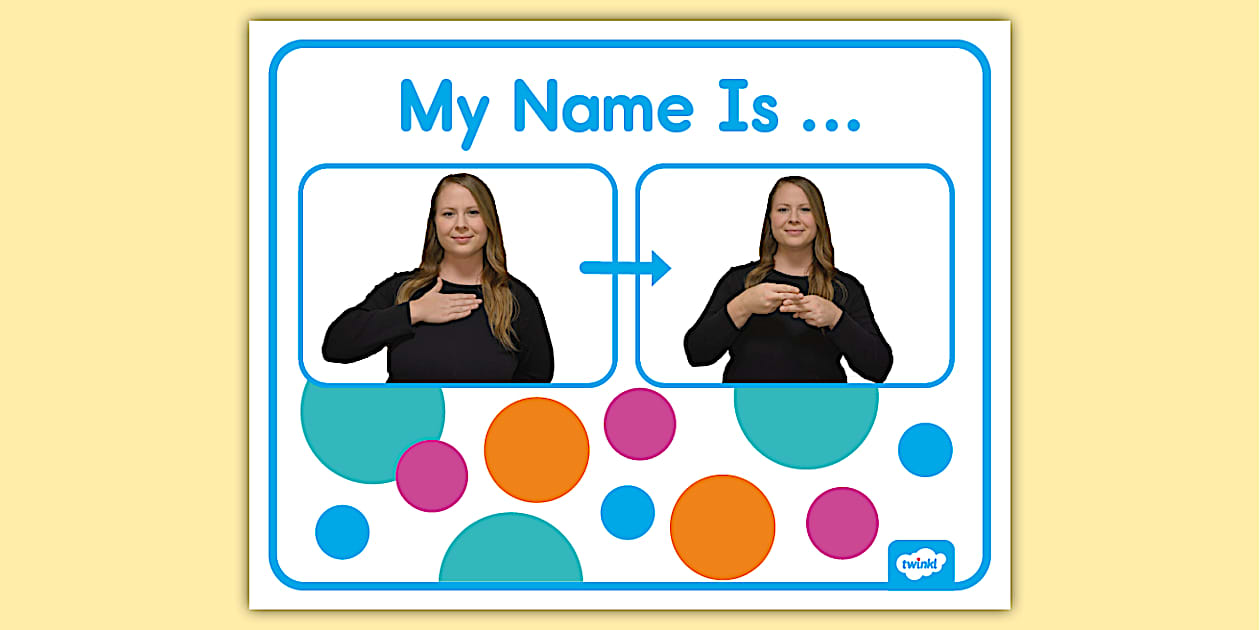
The standard ASL sign for name functions as a vocabulary item rather than a personal title. Formed by extending the index and middle fingers of both hands while tucking the thumbs across the ring fingers, it relies on two "H" or "U" handshapes. The dominant hand taps downward twice against the non-dominant hand at a right angle, right at the knuckles. In basic ASL syntax, introducing yourself follows a concise grammatical pattern: MY NAME [FINGERSPELL]. The English verb "is" disappears completely.
Precision matters because minor variations in movement shift the meaning entirely. A single crisp movement paired with a forward directional shift transforms the noun "name" into the verb "named" or "called." Tapping repeatedly with furrowed brows turns the structure into a question: "What is your name?"
Novices often confuse this grammatical sign with the physical act of sharing their identity. When entering a conversation, hearing learners often freeze, trying to recall an elusive personal emblem. Cultural protocol requires that you sign the concept "name" and immediately transition into the manual alphabet. Until you spend sustained time within the community, fingerspelling remains your sole legitimate identifier.