
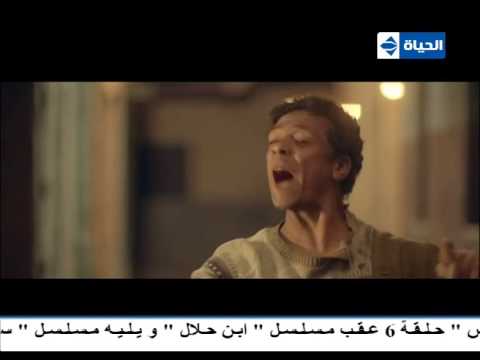
From 2014 Classic to Viral Tiktok Trend: the Resurgence of 'Ibn Halal' Scene
Meskar was never written as a one-dimensional caricature. In Ibn Halal, created by screenwriter Hassan Dahshan and directed by Ibrahim Fakhr, the character represents the vulnerable soul of an impoverished informal settlement. Hamza El Eily, an alum of Khaled Galal’s prestigious Actor’s Studio at the Cairo Opera House, studied the speech patterns and motor mannerisms of adults with cognitive disabilities for months before shooting began.
The scene itself arrives early in the serial. Meskar runs errands in the neighborhood, clutching a metal dish, only for local children to encircle him, jeering and chanting insults. Meskar's reaction strikes a raw chord: he does not lash out with physical violence. Instead, his voice cracks into a stuttering, desperate plea for dignity. When Habisha, played by Mohamed Ramadan in the role that cemented his status as a populist action icon, intervenes with righteous anger, the dynamic between protector and protected crystallizes.
El Eily recalled in television interviews that filming the alley sequence took hours under the searing summer heat of 6th of October City studios. Extras portraying the children were instructed to yell with genuine spite to evoke authentic tears. The resulting vulnerability turned a secondary character into an enduring cultural archetype.


