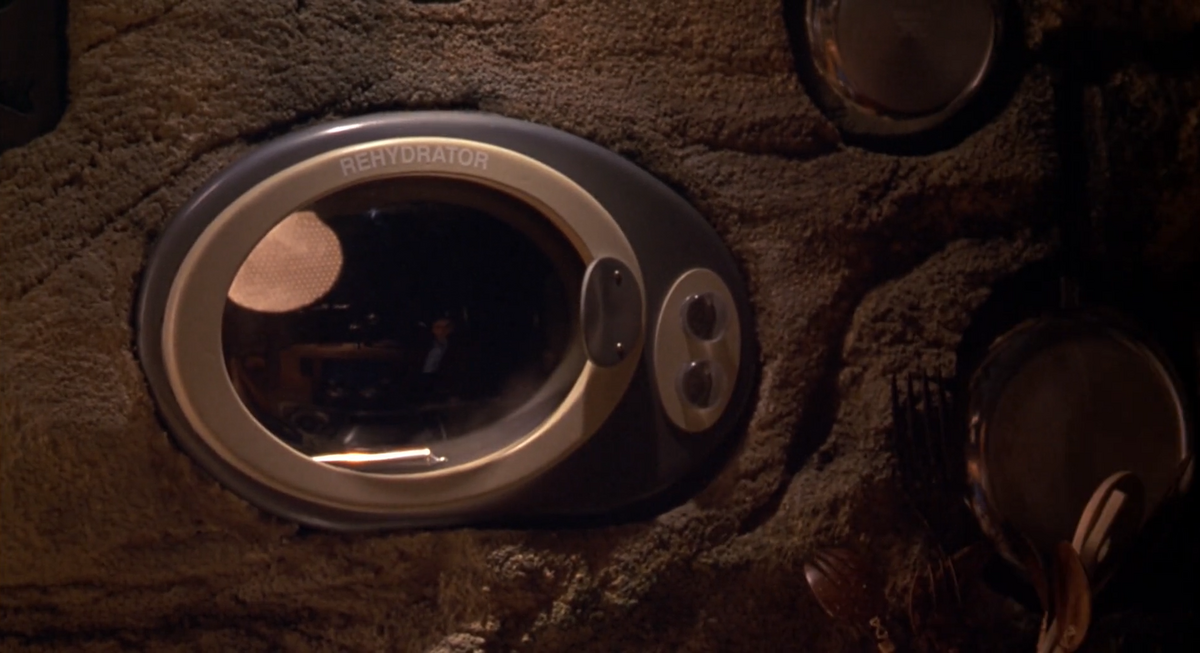
Is the Spy Kids Microwave Actually Possible? Real Food Tech Vs. 2000S Movie Magic
To understand why the movie gadget remains firmly in the realm of fiction, one must look at the physical limitations of freeze-dried food science. Modern freeze-drying, known technically as lyophilization, freezes organic material and then lowers surrounding pressure, allowing frozen water inside the food to sublimate directly from solid ice to vapor. This leaves behind a rigid, porous cellular matrix that retains up to 97% of original nutritional content while stripping roughly 98% of water weight.
Reconstituting that matrix requires liquid water to infiltrate every microscopic pore via capillary action. In standard camping rations or emergency supplies, full reconstitution takes anywhere from 8 to 15 minutes using boiling water. If you force moisture into a dry matrix within five seconds, the exterior saturates instantly while the interior core stays bone-dry. Raising injection pressure simply blows the delicate cellular lattice apart, reducing a structured burger patty into damp mush.
The texture dilemma presents an even tougher physical barrier:
- The Heterogeneous Texture Crisis: A standard fast-food cheeseburger contains soft, yeasty bread, a firm, fatty meat disc, melted dairy emulsion, and crunchy pickles. Each component requires a completely different moisture percentage to achieve the correct mouthfeel.
- Moisture Migration: Water naturally migrates toward drier areas until equilibrium is reached. In an enclosed chamber, steam penetrating a dry bun turns it soggy within seconds, while the dense protein matrix of a beef patty remains unchewable.
- The Crispness Contradiction: French fries require a dry, oil-crisped outer crust and a soft, steamy potato interior. Submerging or steaming a dehydrated starch stick creates a limp, gelatinized paste, completely destroying the crispness that made the on-screen fries look appetizing.