Why Wingaersheek Beach Swept Massachusetts Summer Rankings over Cape Cod
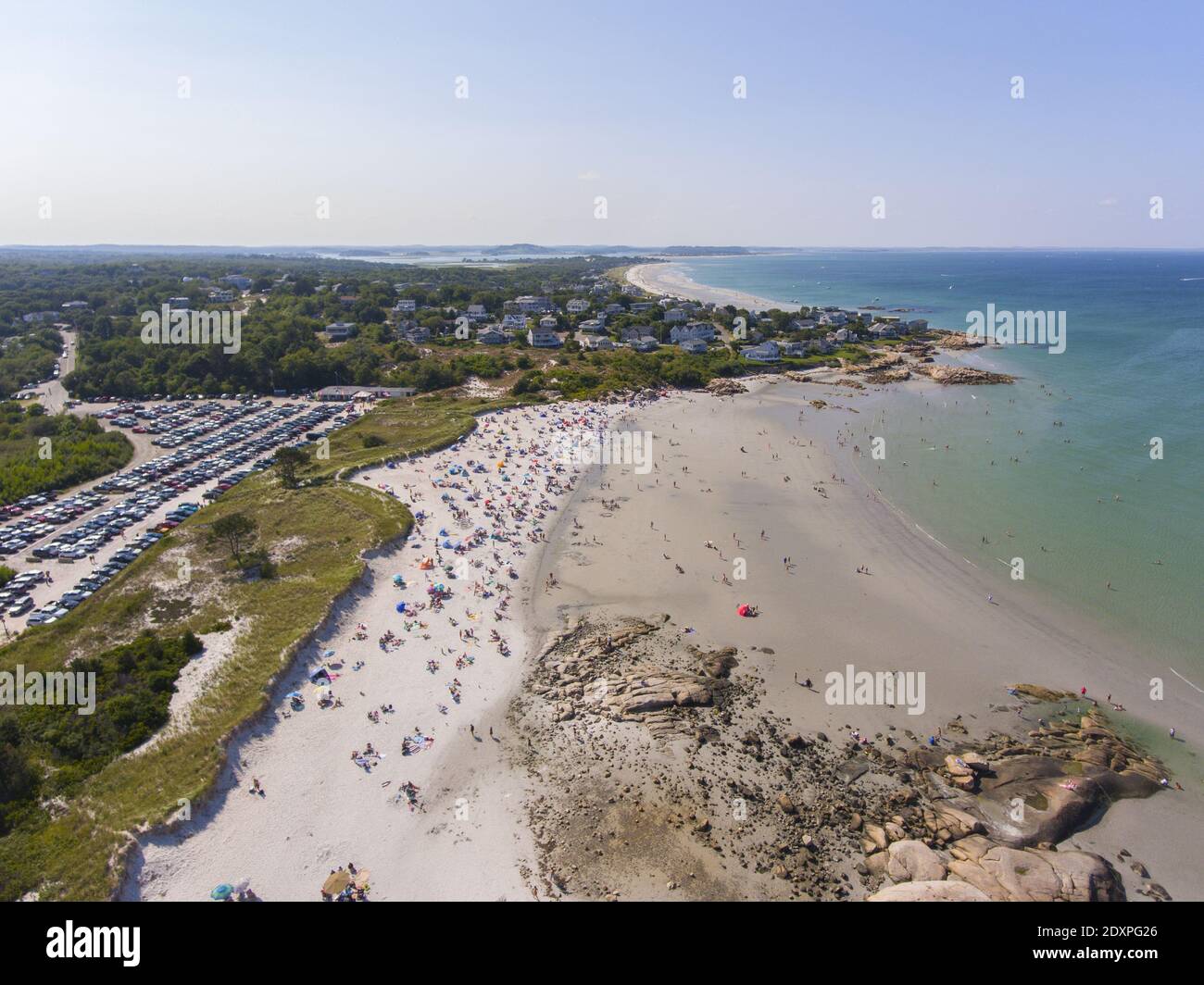
The low tide cycle transforms the shoreline from a narrow strip of sand into an expansive, shallow estuary. Extensive sandbars emerge, allowing visitors to walk far into Ipswich Bay while the water remains calf-deep. These exposed bars retain pockets of standing water that heat quickly under midsummer sun, offering temperatures several degrees warmer than the Atlantic standard.
Smooth granite outcroppings jut out from the sandy flats, serving as natural boundaries across the landscape. As the tide recedes, these boulders trap seawater in deep granite tide pools.
Children and amateur naturalists gather around these pools throughout the afternoon:
- Trapped hermit crabs, periwinkles, and green crabs scramble across submerged rock crevices.
- Small baitfish dart through patches of sea lettuce and rockweed.
- Sea stars and occasional moon snail shells surface in the sandbars just beyond the boulders.
The presence of these boulders also introduces a natural terrain for climbing and exploration, giving the shoreline a distinct character absent from the long, flat sand spits of southern New England.